Walking through a quiet rural settlement today, it is almost impossible to ignore the boarded-up windows and faded signs hanging above empty storefronts. The decline of the traditional village high street has been a gradual but relentless process. While it is easy to view these abandoned commercial spaces merely as sad relics of economic decline, they actually serve as vital educational tools. By examining the empty buildings that once formed the bustling heart of local life, we uncover profound insights into our changing social dynamics, shifts in consumer behaviour, and the evolving nature of community architecture.
The changing face of local commerce
The transformation of the village centre is primarily a story about the radical shift in how we shop and consume goods. For generations, the local butcher, baker, and greengrocer were essential fixtures that supplied daily necessities. However, the rise of out-of-town retail parks and the explosive growth of internet shopping have fundamentally altered the retail landscape. These deserted shops stand as monuments to a time before globalised supply chains and next-day deliveries became the norm. They force us to reflect on the true cost of modern convenience and the importance of supporting independent enterprises to maintain a resilient local economy.
Understanding the architectural legacy
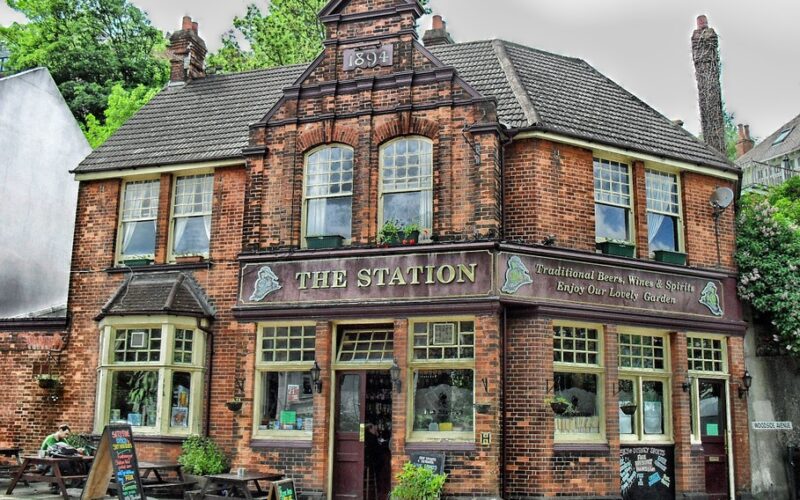
Beyond their economic function, these empty buildings hold immense architectural and historical value that is slowly fading from public memory. Many village shops boast Victorian or Edwardian facades with intricate brickwork, hand-painted ghost signs, and large display windows. These structures were built with a sense of civic pride, contrasting sharply with the utilitarian designs of modern retail warehouses. By studying the layout of these historic shops, urban planners learn valuable lessons about human-scale development. Preserving the aesthetic charm of these buildings provides a tangible link to our local heritage and contributes significantly to the unique character of our rural settlements.
Social hubs and community cohesion
Perhaps the most significant loss associated with the closure of village shops is the disappearance of crucial social infrastructure. In the past, the post office and the corner shop were not simply places to conduct financial transactions; they functioned as the social glue holding rural communities together. These venues provided safe spaces for daily interactions and the sharing of local news, playing a massive role in combating loneliness. The current epidemic of social isolation in rural areas can be directly linked to the loss of these informal meeting places. Recognising this helps us understand that future community planning must prioritise social spaces just as much as residential development.
Opportunities for rural regeneration
Rather than viewing abandoned shops exclusively through a lens of nostalgia, we can look at them as blank canvases offering immense potential for rural regeneration. Across the country, innovative communities are already demonstrating how these forgotten spaces can be repurposed to meet contemporary needs. Former commercial properties are being transformed into affordable community housing, shared co-working spaces, and creative hubs for local artists. In some instances, residents have banded together to launch community-owned shops, successfully bringing vital services back to the village while ensuring that profits remain within the local area.
Moving towards a sustainable future
Ultimately, the abandoned shops scattered across our rural landscapes act as a powerful catalyst for reimagining the future of community living. They teach us that while the traditional model of local retail may no longer be viable, the fundamental human need for connection and a shared central space remains entirely unchanged. Moving forward requires a collaborative approach involving local authorities, residents, and private investors to breathe new life into these historic centres. We can develop sustainable strategies that honour our heritage while forging a resilient, inclusive future where rural communities can thrive once again.