There is something undeniably compelling about running a business from a building with history. The worn timber floors, the vaulted ceilings, the thick stone walls — these details tell a story that no modern fit-out can replicate. Across the UK, entrepreneurs and developers are increasingly recognising that converting historic spaces into commercial hubs is not simply a design choice. It is a strategic one.
The business case for heritage buildings
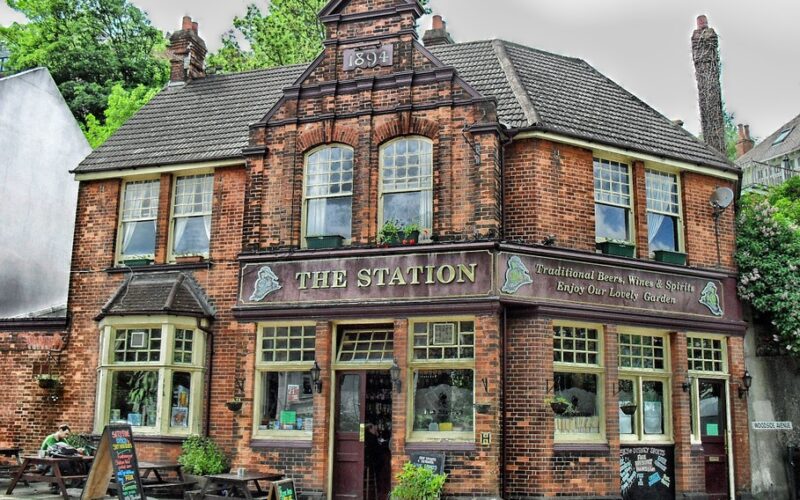
Historic buildings carry an inherent brand value. A law firm operating from a Victorian townhouse, or a creative agency housed in a converted mill, communicates something about its character before a single word is spoken. Clients notice. Talent notices. In competitive markets, that kind of differentiation matters enormously. Beyond aesthetics, many heritage properties sit in prime urban locations — areas that would be prohibitively expensive to build from scratch today.
Balancing preservation with practicality
The central challenge of any conversion project is respecting what exists whilst meeting the demands of a contemporary workplace. Listed building consent adds a layer of complexity, requiring close collaboration with local planning authorities and conservation officers. The goal is not to fossilise a space, but to introduce modern infrastructure — high-speed connectivity, energy-efficient systems, accessible entrances — in ways that are sympathetic to the original fabric. Done well, the tension between old and new becomes a feature rather than a problem.
Design strategies that work
Successful conversions tend to share a few key principles. Exposed original materials are retained wherever possible, letting brickwork, ironwork, and timber speak for themselves. Contemporary interventions — glass partitions, steel staircases, modern lighting rigs — are introduced as clearly distinct additions, creating a dialogue between eras rather than a confused hybrid. Open-plan layouts suit the large floor plates common in warehouse and industrial conversions, whilst cellular offices can be carved sensitively from larger Georgian or Victorian properties without compromising their character.
Sustainability and adaptive reuse
There is a strong environmental argument for conversion over demolition and rebuild. Retaining an existing structure preserves the embodied carbon already invested in its construction — a consideration that carries increasing weight as the built environment sector faces scrutiny over its climate impact. Adaptive reuse extends the useful life of a building, reduces construction waste, and often requires less energy-intensive materials than new builds. For businesses with sustainability commitments, occupying a thoughtfully converted heritage space aligns action with values.
What to consider before you commit
Not every historic building is suited to commercial conversion. A thorough structural survey is essential before any commitment is made. Issues such as damp, subsidence, or outdated drainage can significantly affect budgets and timelines. It is also worth engaging a specialist conservation architect early — their expertise in navigating planning constraints and sourcing appropriate materials can save considerable time and expense down the line. Realistic contingency planning is critical; heritage projects rarely unfold exactly as anticipated.
The future belongs to spaces with character
The appetite for characterful workplaces shows no sign of slowing. As businesses compete for talent and clients who expect more than a generic office environment, the historic built environment offers a genuine and lasting advantage. Converting these spaces requires patience, expertise, and a genuine respect for what came before — but for those willing to invest, the rewards extend well beyond the architectural.