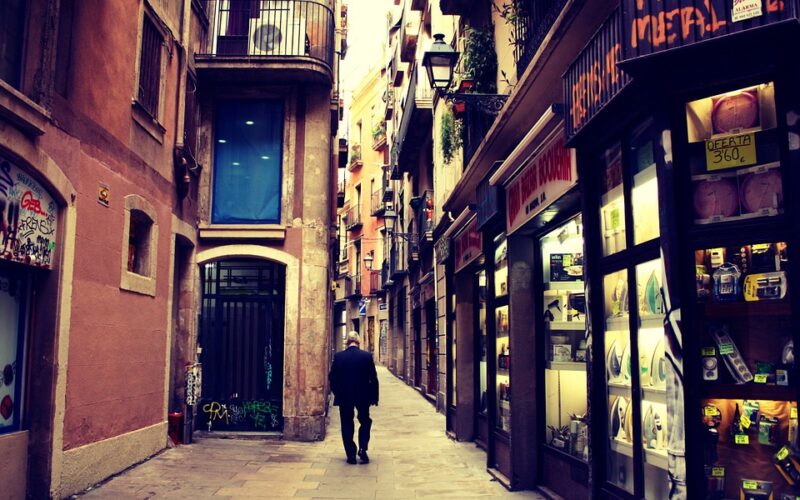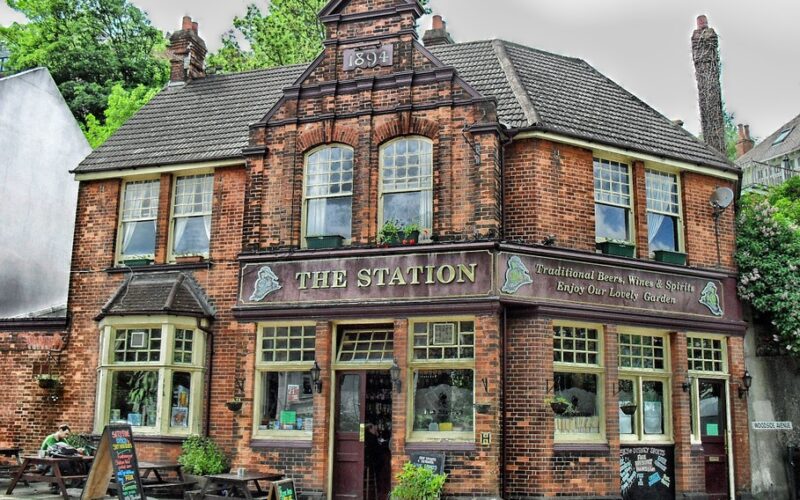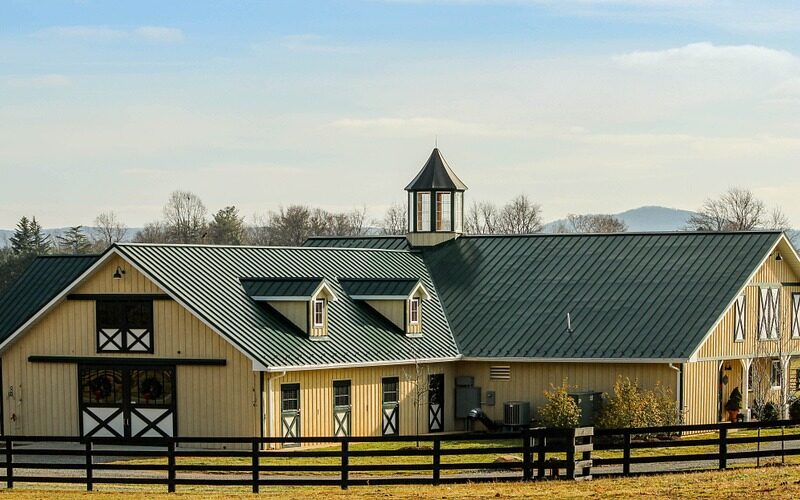
Across the United Kingdom, rural centres have experienced a significant shift in their economic landscapes, often resulting in empty storefronts and neglected high streets. However, a growing movement known as adaptive reuse is breathing new life into these declining areas. By transforming derelict stores into modern businesses, communities are finding innovative ways to revitalise their local economies without losing their unique historical charm. This approach goes beyond mere renovation; it involves reimagining the purpose of existing structures to meet contemporary needs. From converting old butcher shops into boutique cafes to transforming abandoned banks into vibrant co-working spaces, adaptive reuse offers a sustainable pathway to rural regeneration.
Economic revitalisation through creative repurposing
The economic benefits of adaptive reuse in rural centres are substantial. Repurposing abandoned buildings attracts new investment, creates jobs, and stimulates local commerce. Instead of allowing derelict structures to depress property values, modernising these spaces turns them into valuable community assets. Entrepreneurs are drawn to these buildings because they offer lower overhead costs alongside unique architectural features. As these businesses flourish, they generate increased foot traffic, supporting neighbouring shops and creating a positive ripple effect throughout the local economy.
Furthermore, the process of adapting existing buildings keeps capital circulating within the local community. Construction projects focused on restoration typically require specialised local labour, from stonemasons to carpenters, thereby supporting regional tradespeople. This focus on local economic empowerment is crucial for rural areas that might otherwise struggle to attract large-scale commercial developers. By prioritising the transformation of existing infrastructure, rural towns can foster a self-sustaining cycle of economic growth that remains deeply rooted in the community.
Preserving heritage while embracing the future
One of the most compelling aspects of adaptive reuse is its ability to preserve the cultural heritage and architectural identity of rural towns. Many derelict stores boast historical significance and traditional craftsmanship that would be impossible to replicate today. By carefully adapting these buildings for modern use, communities can safeguard their physical history while simultaneously meeting the demands of the twenty-first century. A former post office repurposed as a community hub or an old mill transformed into a tech startup incubator maintains a visual connection to the past, providing residents with a sense of continuity and shared identity.
This blend of old and new also holds significant appeal for visitors and tourists, who increasingly seek out authentic experiences in rural settings. Modern businesses housed in historic buildings offer a unique charm that generic shopping centres simply cannot match. This architectural distinctiveness becomes a powerful marketing tool, helping rural towns differentiate themselves as attractive destinations for both tourism and relocation. By respecting the original fabric of their built environment, these communities demonstrate that progress and preservation are not mutually exclusive concepts.
Environmental sustainability and resource conservation
In an era increasingly defined by the need for environmental responsibility, adaptive reuse stands out as a highly sustainable approach to rural development. The construction industry is a major contributor to global carbon emissions and waste, particularly when new structures are built from scratch. By choosing to reuse existing buildings, communities significantly reduce their carbon footprint. The embodied energy within a derelict store—the energy originally expended to extract, transport, and assemble its building materials—is conserved rather than discarded in a landfill. This makes the transformation of old buildings an inherently eco-friendly practice that aligns perfectly with modern sustainability goals.
Moreover, the modernisation process frequently involves upgrading the energy efficiency of historic structures. Installing better insulation and sustainable heating ensures these repurposed buildings meet current environmental standards while reducing operational costs. Ultimately, adaptive reuse proves that the most sustainable building is the one that already exists, transforming forgotten spaces into vibrant enterprises.